
Deciding what to study in school has never been easy, whether it’s choosing electives or which subjects to focus on during exam season.
When it comes to choosing your degree? It feels almost impossible. There are numerous exciting degree options available and many fields to explore, so how do you choose just one without a serious case of FOMO?
Things are quite different from our parents’ time, too. University fees are higher, and industries are shifting faster than ever. What used to be seen as prestigious “sure wins” — think law or medicine — no longer secure a lifelong career.
 In today’s fast-changing world, jobs are evolving all the time. In fact, the World Economic Forum’s Future of Jobs Report 2025 predicts that 39% of workers’ skills, on average, will be transformed or outdated between 2025 and 2030 — that’s within just five years!
So… How Does One Make a Smart Degree Choice?
That’s why smart degree choices look beyond what’s popular now to staying adaptable as the world changes. They:
- Align with long-term growth areas
- Equip you with transferable skills relevant across sectors
- Leave room for reskilling or specialisation(s) down the road
Lost on how to begin shortlisting? The sectors Singapore is investing in for its future are a good starting point!
Three Economic Forces Reshaping Singapore
As shared in the 2025 Skills Demand for the Future Economy report, Singapore has outlined three key growth areas that will require graduates with both technical knowledge and adaptability, as well as an understanding of the movement trends of identified Priority skills.
These areas form the Future Economy:
1. The Green Economy
The Singapore 2030 Green Plan, launched in February 2021 by the Ministries of Sustainability and the Environment, National Development, Education, Transport and Trade and Industry, outlines ambitious targets for Singapore to transition to a more sustainable future
As climate concerns grow, regulations tighten, and consumers become increasingly eco-conscious, companies face growing pressure to reduce environmental impact.
Even fields such as engineering and hospitality have evolved to incorporate Green Facilities Management. This is why once-niche capabilities, such as Greenhouse Gas (GHG) Accounting and Carbon Footprint Management, are now sought after. Professionals in sustainability, compliance, and corporate reporting utilise them to help organisations quantify emissions, develop reduction strategies, and meet regulatory and stakeholder expectations.
Sustainability Assurance is another skill to cultivate; It’s sought after in facilities managers, business consultants, and financial project managers. With mandatory climate-related disclosures commencing in 2025 for listed companies, organisations need people who can not only implement green practices but credibly report on them too.
2. The Digital Economy
Whether you decide on a career in finance, healthcare, logistics, or marketing, understanding how data is managed, protected, and regulated isn’t just useful — it could form part of your job scope.
Cisco AI’s AI 2024 Readiness Index, for example, illustrates Singapore’s long journey to harnessing AI’s full potential: While 96% of organisations report having or developing a well-defined AI strategy, 34% say they lack the in-house talent needed for successful deployment.
Apart from digital fluency in AI, two other transferable skill sets to pick up include Data Governance and Cyber and Data Breach Incident Management. Singapore is a major hub for data centres in Southeast Asia, with over 70 established and more being built. With so much data moving through these systems daily, it’s necessary to have trained professionals who know how to handle it responsibly and react quickly should things go south.
3. The Care Economy
The Care Economy isn’t limited to nursing! It extends to fields such as psychology, allied health, community work, and wellness innovation, too.
As Singapore’s population ages and mental health outreach expands, there’s a rising urgency to provide support in everyday settings — especially at home.
As many roles in this area are people-facing, good soft skills are essential. Effective Client Communication is thus a skill in demand.
Ethical Conduct and Professional Integrity is another, as societal and technological advancements surface new ethical dilemmas. How do you balance innovation with inclusivity, for example, as we push towards a digital-first economy?
 The Report shares more information on other in-demand skills!
Think these fields Hold Potential? There’s Support Available
Here’s some good news! Support has been growing for students willing to explore high-demand, future-oriented fields of study. Many educational institutions now offer future-focused degrees backed by career services, internships, and support networks.
Some, like the Singapore campus of James Cook University (JCU), are important contributors to these areas and place particular emphasis on impactful research relevant to Singapore’s future economies.
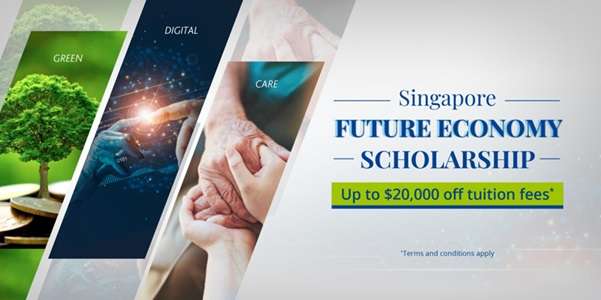
To help students pursue careers in these economies by making the paths more accessible and affordable, they have introduced scholarships, particularly the Singapore Future Economy Scholarship for the following programmes:
Green Economy:
- Bachelor of Business and Environmental Science
- Bachelor of Business and Environmental Science (Majoring in Aquaculture)
- Bachelor of Science (Majoring in Aquaculture Science and Technology)
Digital Economy:
- Bachelor of Information Technology
- Bachelor of Cybersecurity
- Bachelor of Science (Majoring in Data Science)
- Bachelor of Science (Majoring in Internet of Things)
- Bachelor of Business (Majoring in Business Intelligence and Information Systems)
- Bachelor of Business (Majoring in Marketing for the Digital Age)
Care Economy:
- Bachelor of Arts (Majoring in Psychology Studies)
- Bachelor of Psychological Science
Still Unsure How to Choose What to Study?
It’s impossible to fully guarantee the path your career trajectory will take, but you can make choices today that open doors tomorrow.
Here’s a question to keep in mind as you continue your shortlisting:
“What kind of world will I graduate into — and what role do I want to play in it?”
We wish you all the best in finding a path that feels right for you!