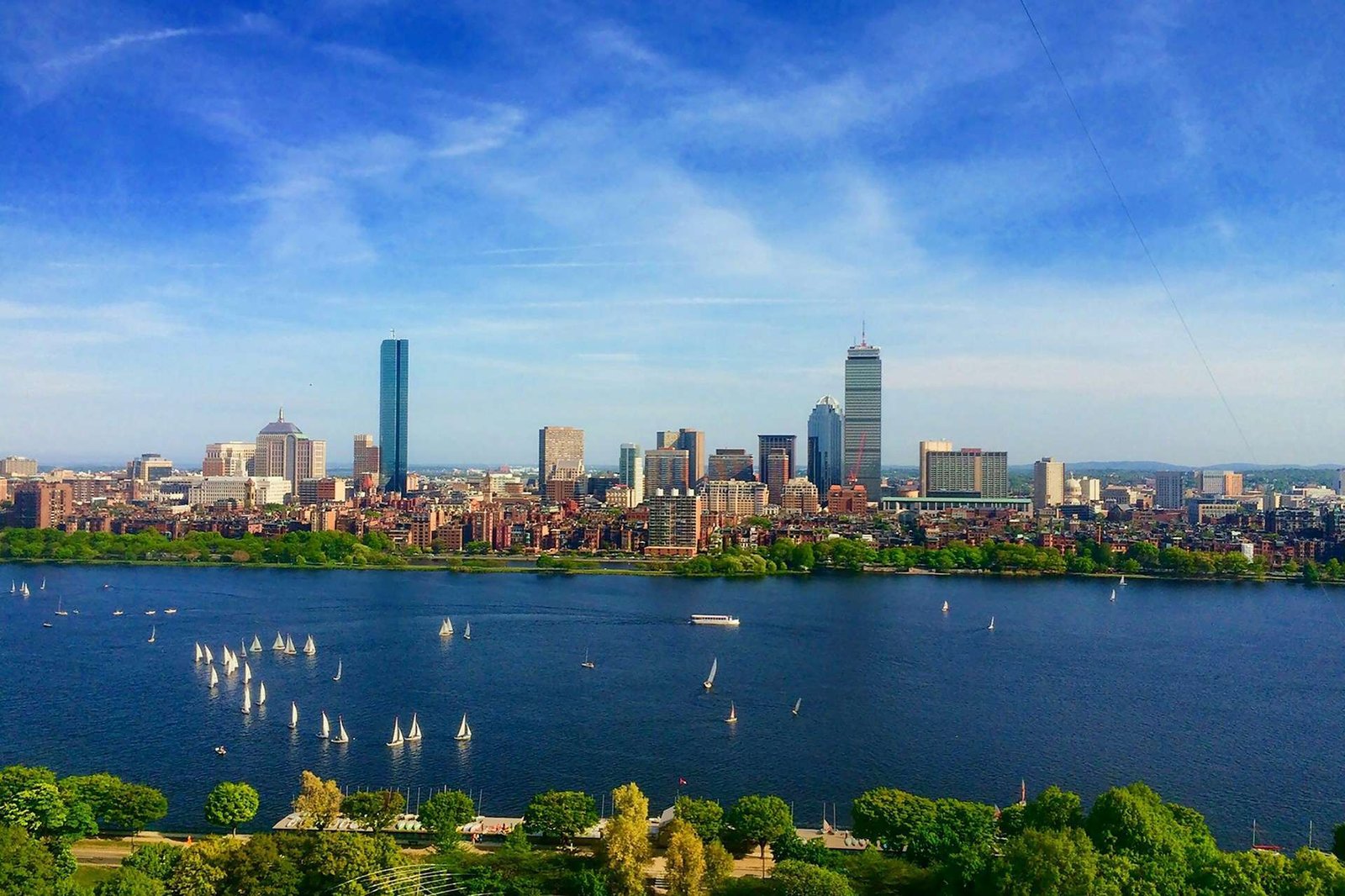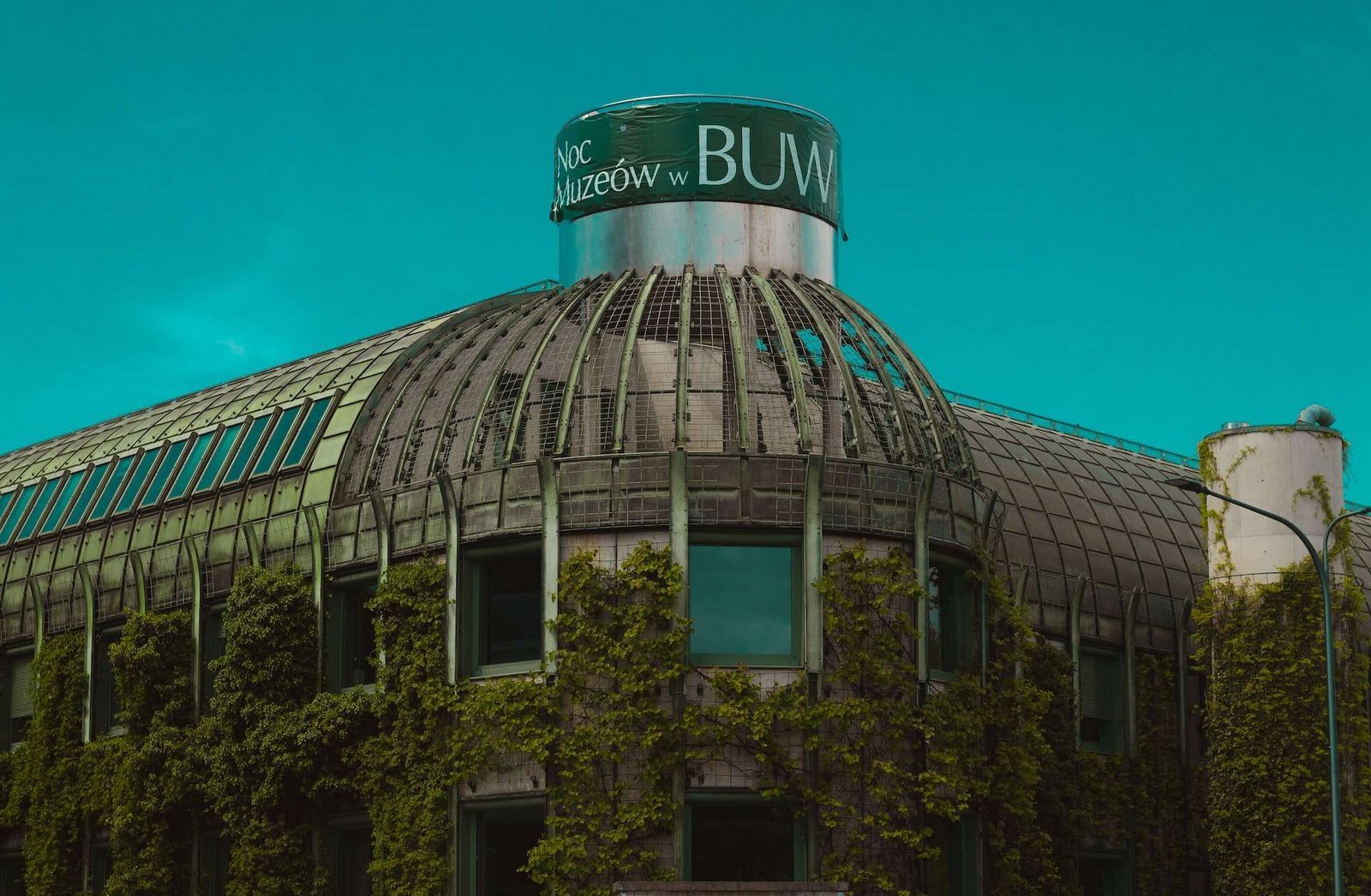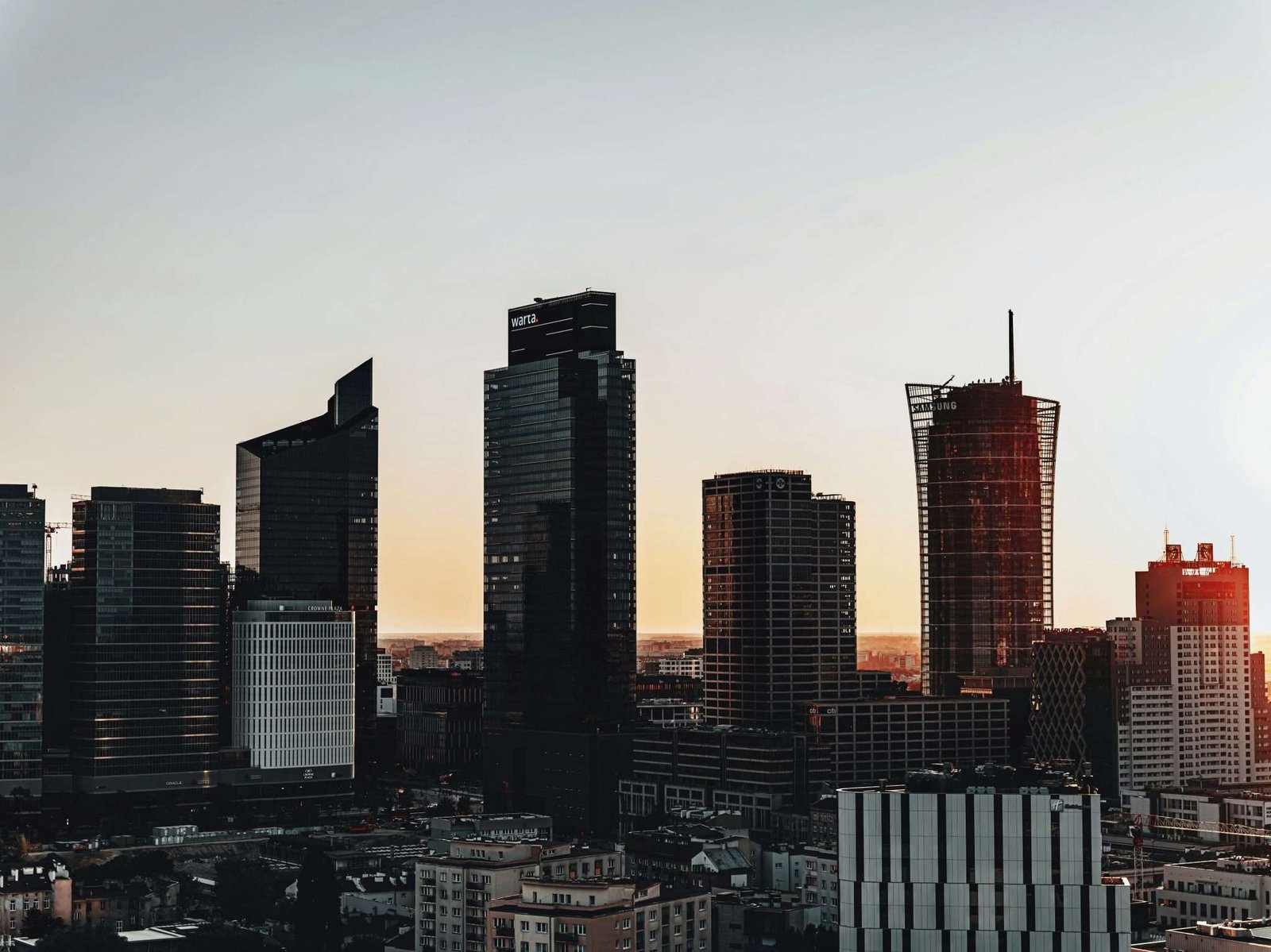
Warsaw, Poland’s capital and largest city, will always have a distinctive place in my heart, for it was the first continental European country I lived in (between 2019-2021).
One of Europe’s largest academic hubs, Warsaw is home to some of Poland’s top universities including the University of Warsaw and the Warsaw University of Technology offering courses in both English and Polish.
Moreover, due to its relatively low cost of living (compared to Western European cities like Paris and London), rich cultural heritage and burgeoning job market, many people (including myself) have taken the leap of faith and moved there to study and work.
Besides, there are tons of things to do in Warsaw while living there. This article explores some of my favorite spots in the city.
1) Łazienki Park
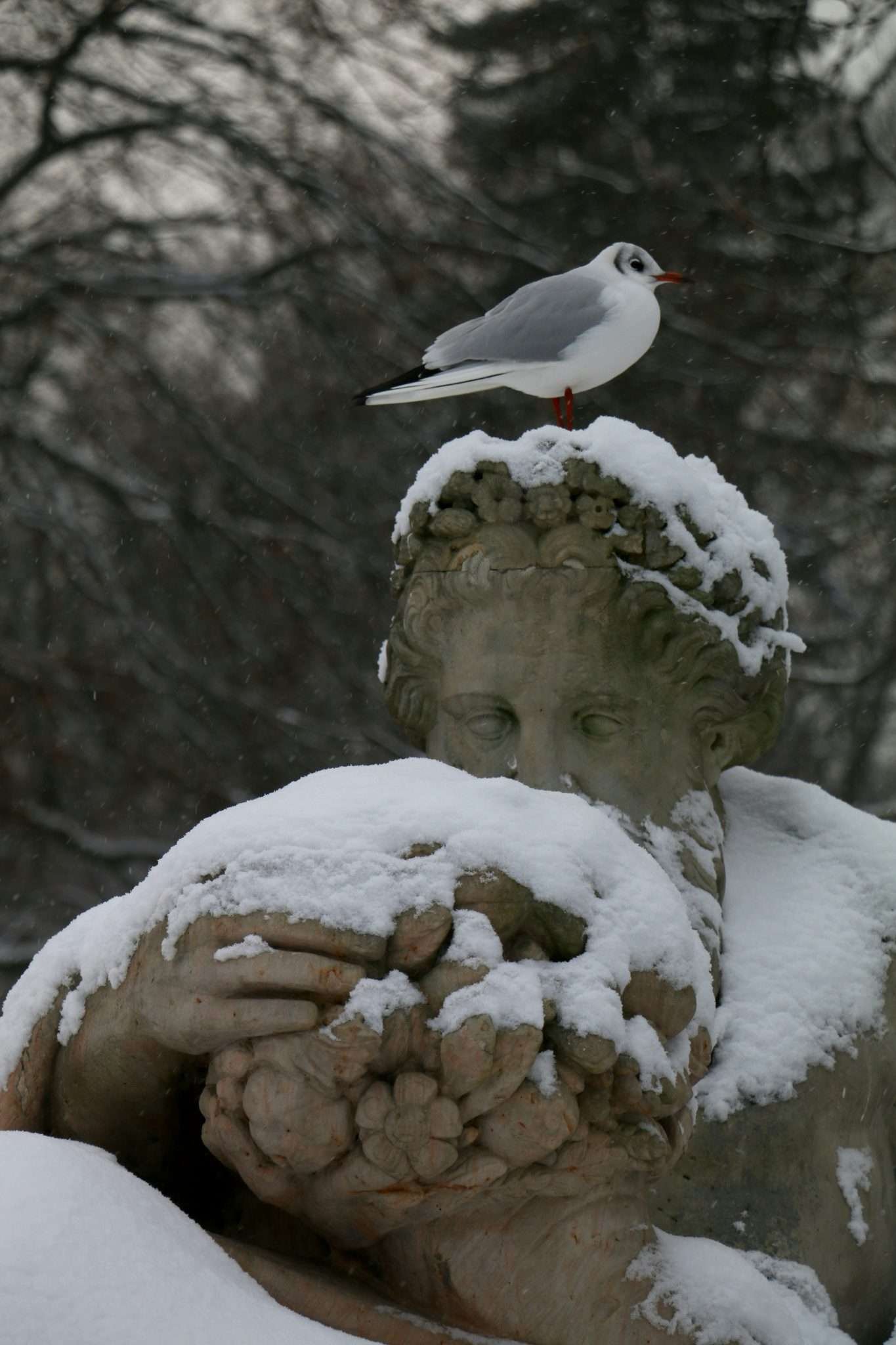
As I love green spaces, I was delighted when I discovered Warsaw’s Łazienki Park, the largest park in Poland’s capital located near Ujazdów Avenue – where various embassies and former palaces are. A grand historical palace complex dotted with monuments and verdant gardens, this park is a perfect place to spend an afternoon. What is more, entrance to this park is free! During the warmer summer months of July and August, comfortably take a seat on one of the park benches to read Henryk Sienkiewicz’s Quo Vadis and marvel at the luxuriant green foliage of the park. Alternatively, check out the famous Palace on the Isle, residence of Stanisław August Poniatowski, the last king of Poland.
In the 1991 book “Łazienki Królewskie” (The Royal Łazienki Park), writer Marek Kwiatkowski described the park as such:
“The Warsaw Łazienki Park or the Royal Łazienki Park – these two names are in use for this historical garden filled with precious monuments of architecture and sculpture. Once the summer residence of the last king of Poland, Stanisław August Poniatowski, and lying to the south of the city, it stands today in Warsaw’s centre and is a popular destination for walks as well as a major tourist attraction for visitors to Warsaw, both from Poland and abroad.”
2) Warsaw’s Old Town
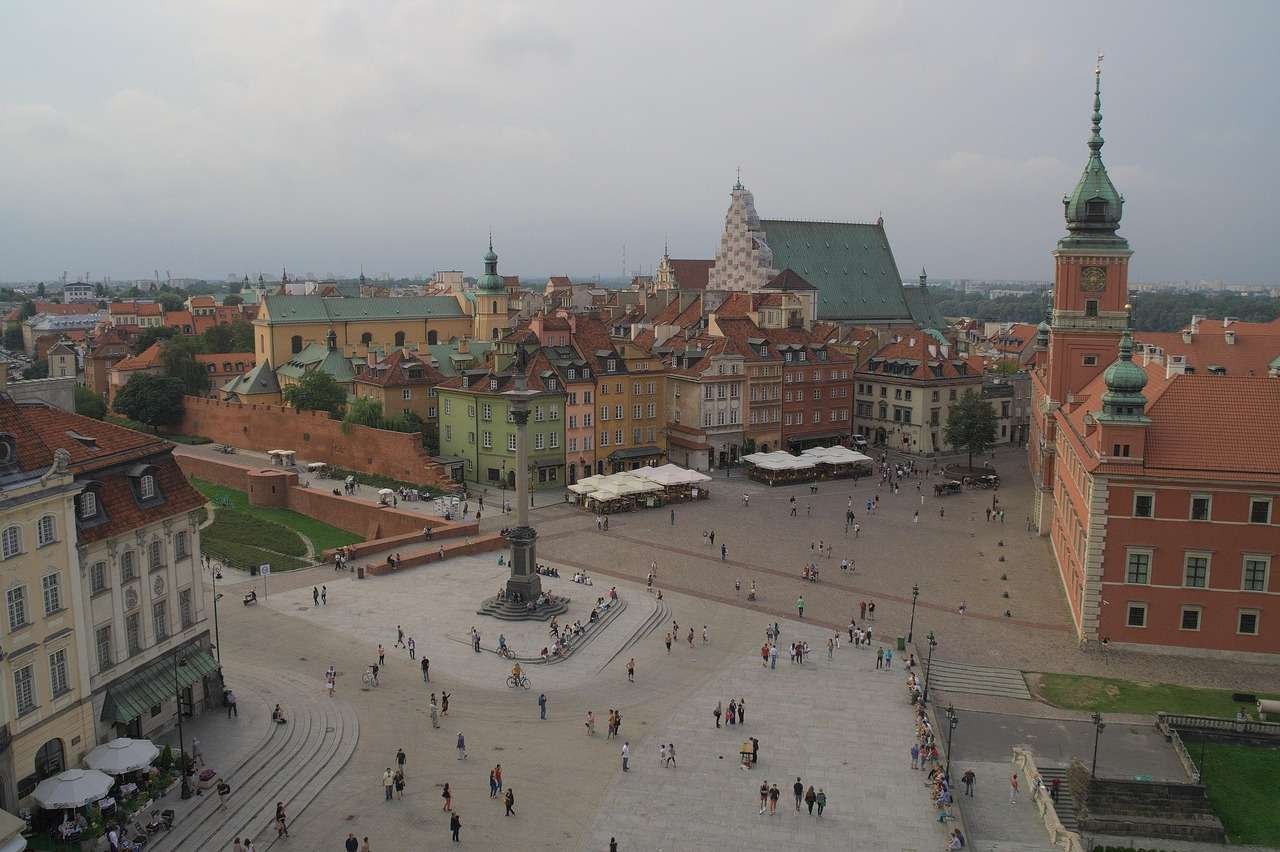
If you are a history buff like me, then you cannot miss exploring Warsaw’s Old Town (Stare Miasto), the most beautiful part of Warsaw (in my opinion). With vibrant tenement houses and quirky ambience of the surrounding streets, you can easily spend an entire day in this area, checking out the Royal Castle after starting your tour from Sigismund’s Column. Pay a reverential visit to the 14th-century St. John’s Archcathedral, where the tombs of the medieval Mazovian princes, including King Poniatowski, are. While being awestruck at this 14-century building Step into the presence of the divine when you head to the spectacular St. Anne’s Church (Kościół św. Anny) near Warsaw’s Castle Square with a neoclassical façade, a lavish baroque interior, and a diamond vault unique to Warsaw. (I’m amazed at the reconstruction work already done in this beautiful church, given that it was badly damaged during the Second World War). During those sultry summer months, sample a glass of Polish craft beer (known as “piwo” in the Polish language) at Kawiarnia Same Fusy. Don’t forget to say “na zdrowie!” (“cheers”) before downing your beer! Also, how about whetting your taste buds with Polish rosół soup and pierogies at Zapiecek during the harsh winter months? Moreover, if you are spending the Advent/Christmas season in Warsaw away from home, be sure to go to the Christmas market around the Old Town and sample Polish Oscypek (smoked cheese)!
3) Warsaw Rising Museum
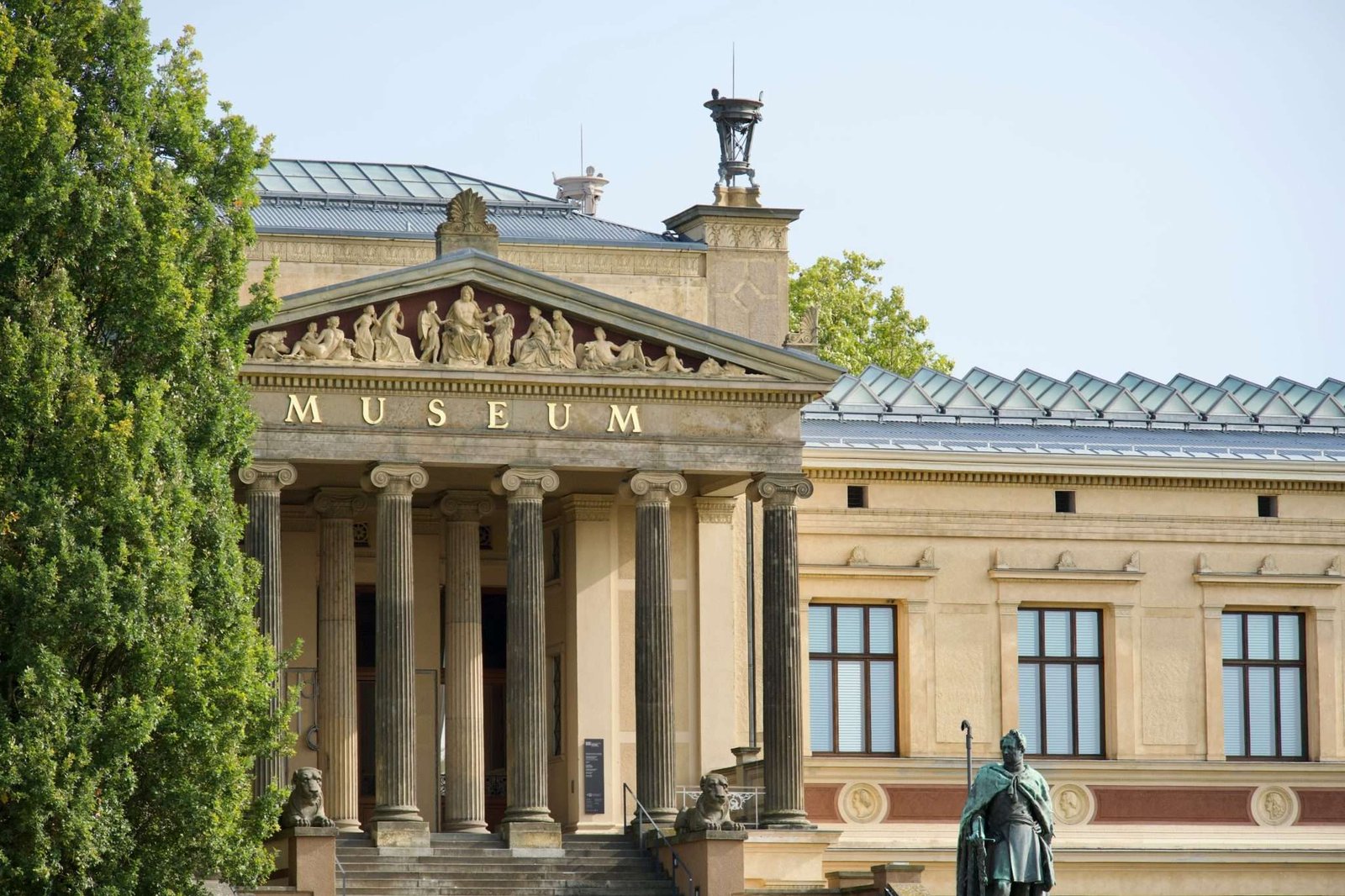
Alright, readers of Digital Senior will probably know by now that I’m a true blue history fan (and I won’t deny that!). I’ve been to various museums around Warsaw, but one museum that really made its mark on me was the Warsaw Rising Museum in the Wola district of the city. Centred around a historical recollection of the Warsaw Uprising of 1944 when 150,000-200, 000 civilians died at the hands of the Germans. This popular hymn during the Warsaw Uprising, titled, “Hymn Polski podziemnej – (Anthem of Underground Poland)” is a good start to immerse yourself in Poland’s wartime history before or after the museum visit.
4) Warsaw’s milk bars
When it comes to European food, people would normally mention Italian or French food at first. However, Polish food is as delectable as it is severely underrated. A budget-friendly way to discover Polish cuisine would be to visit one of Warsaw’s “milk bars”, known in Polish as “bar mleczny”, Put simply, a “bar mleczny” is a back-to-basics cafeteria, usually catering to daytime meals. During Poland’s Communist era, bar mlecznys featured commonly in Poland’s food scene, providing government-subsidized food at low prices. Apart from the more popular Polish dishes of pierogi (Polish dumplings)at a bar mleczny, expect to find mouth-watering Gołąbki (cabbage rolls filled with rice and meat, laden with tomato sauce and served with potatoes and placki ziemniaczane: (potato pancakes typically served with sour cream).
5) Chopin benches around Warsaw
Lovers of classical music – this is for you! Embark on an exciting hunt for Warsaw’s small black Chopin benches (15 of them). Simply press the button on each bench and enjoy one of Frédéric Chopin’s masterpieces for 30 seconds. Read the information on each bench for more reasons why that particular bench was set up in front of a particular building or object. Scan the QR code to have an audio guide to the bench’s information.
That’s it for now – enjoy your time in Warsaw while polishing your Polish (pun intended)!